

Blasting Works
Blasting Works
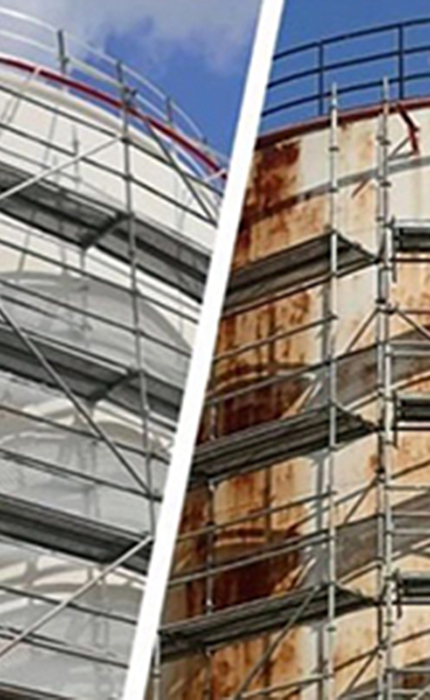
Blasting is a method used to clean the rust and corrosion of metal and extend its service life. This process, which involves special abrasive materials, cleans the metal surface and reveals its essence. Once the blasting process is completed, the metal should be isolated from the air and professionally painted. Blasting aims to thoroughly clean the metal and create a rough surface where paint can adhere. The sand, propelled by high-pressure air, removes unwanted substances and prepares the surface for painting. Automatic blasting machines are used for blasting various materials, and selecting the correct abrasive materials is crucial.
Blasting is a process applied to remove oil, dirt, rust, and corrosion caused by the passage of time from metal surfaces and extend its service life through painting. The process is carried out using specially manufactured abrasive materials called grit. Blasting removes visible or micronized rust and corrosion from the metal surface while revealing the metal’s essence. A metal that has just been blasted is at its most vulnerable to rust and corrosion. If left in a humid environment after blasting, oxidation will occur within a few hours, noticeable by a color change. Therefore, blasted metal should be protected and painted as soon as possible to prevent air contact. The best method for this is zinc painting. At Kumbo Blasting and Painting, we carry out these applications professionally with our skilled and trained team. It is important to note that regardless of the quality of the blasting, if the painting process is not performed professionally, corrosion will inevitably spread from even the smallest exposed point, such as a pinprick. Therefore, the painting process must be carried out with professional equipment and a skilled team. Different abrasives should be used for different metal structures and productions depending on the industry, and epoxy paint should be applied in suitable thicknesses. The purpose of blasting is primarily to thoroughly clean the metal before painting and create pores and roughness on the surface to ensure the paint adheres properly.
Blasting Process Application
Blasting involves propelling abrasive material at high pressure to the metal surface. During this process, the sand abrades the metal surface at the micron level while cleaning it of any unwanted substances, such as oil, dirt, and rust, and prepares the surface for painting. For mobile blasting operations in open areas, blasting pots are used. These machines are used for blasting ships at shipyards or large constructions. Blasting of very large parts can also be carried out with this type of equipment. For blasting medium-sized parts, blasting cabinets are used, which can be either manual or automatic. These cabinets are ideal for companies with limited space due to their small and enclosed system.
Automatic Blasting
In the blasting of steel materials, profiles, sheet elements, or steel materials that have undergone cutting or welding operations, small and numerous metal parts are blasted using turbine automatic blasting machines. These machines operate with semi-automatic systems. The advantage of this system is that it can quickly and economically blast materials within the size limit. The disadvantage is that large materials cannot be blasted. For instance, large equipment, such as construction machines, fuel tanks, containers, steel bridges, or other large items that require on-site blasting, cannot be processed in these machines.
Materials Used in Blasting
Various abrasive materials are used in blasting machines. These can be metal-based, glass-based, or mineral-based. The correct selection of abrasive materials is crucial. Different types of abrasives are suitable for different types of blasting machines. Various blasting materials, such as nozzles, nozzle holders, blasting masks, and blasting gloves, are used to ensure the safety of the blasting operator and improve the efficiency of the process. As blasting consumables, stainless steel balls, glass beads, aluminum oxide balls, steel grit, basalt, silica, and quartz are used. Silica: Silica sand, with its fine varieties, is generally used for light blasting on thin sheets. Basalt: This type of sand, which has little dusting, is often used in closed environments where sand can be recycled. Grit: Grit is the most effective abrasive with minimal dusting. It is essentially iron residue, not sand.
Surface Cleanliness Values
These are evaluated according to ISO 8501-1:1998 and TSE EN ISO 8501-1 standards.
According to ISO 8501-1, surface cleanliness values are as follows:
• Sa 1 < 80% Lightly cleaned
• Sa 2 80% Well cleaned
• Sa 2.5 96% Very well cleaned
• Sa 3 99% Completely cleaned
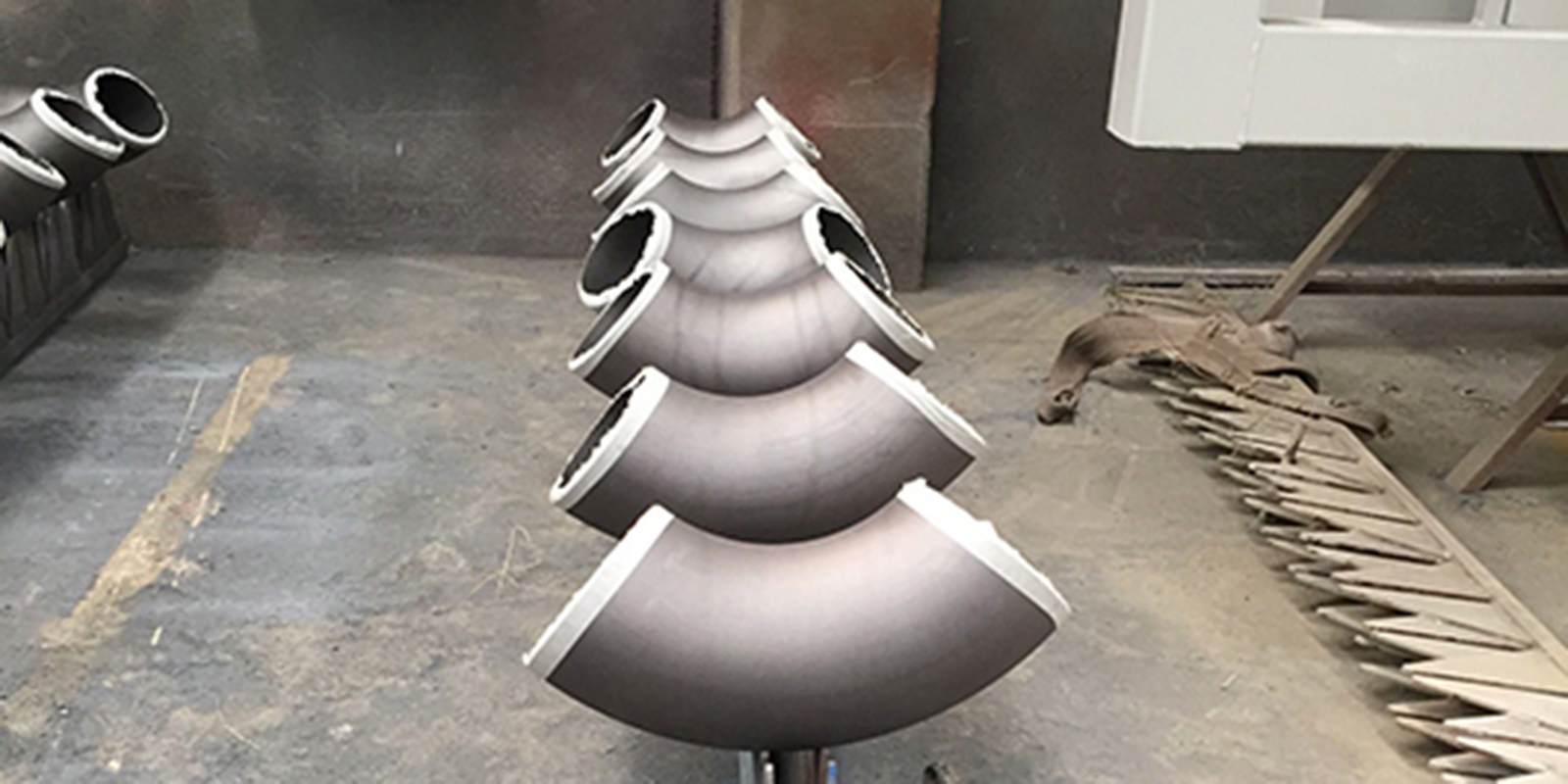
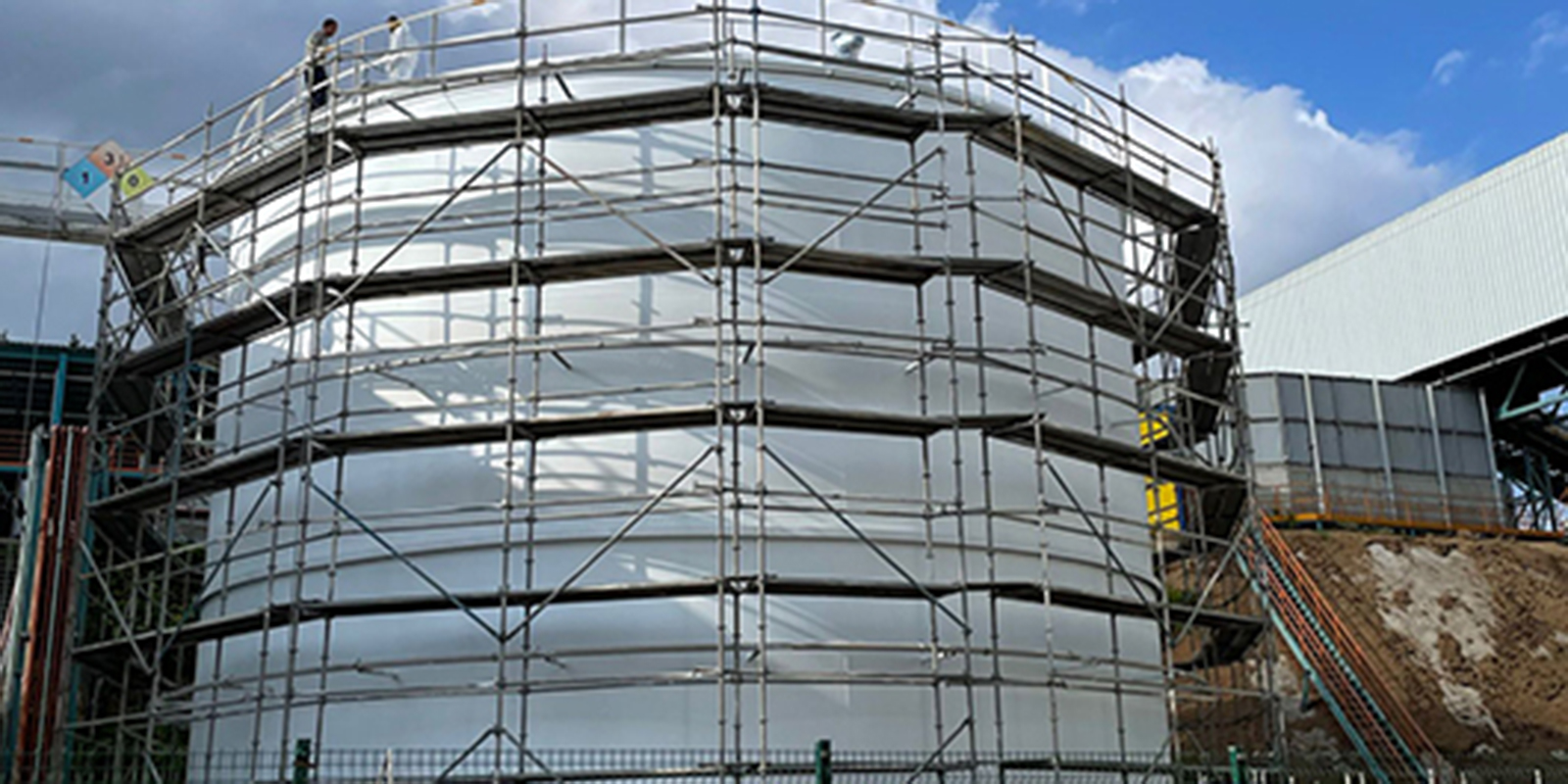
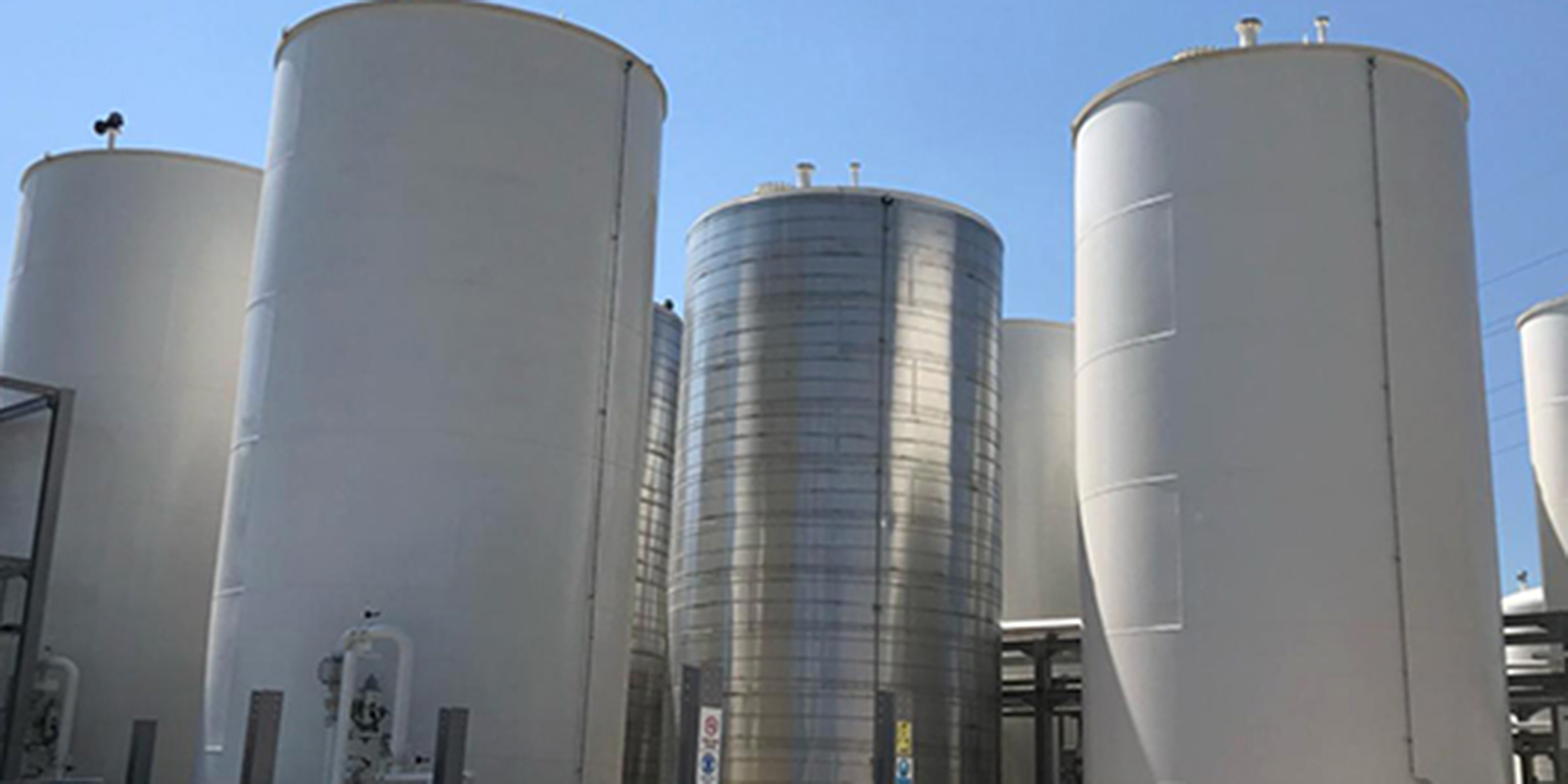
The following images show the blasting works performed by our company before painting.