

Painting Works
Painting Works
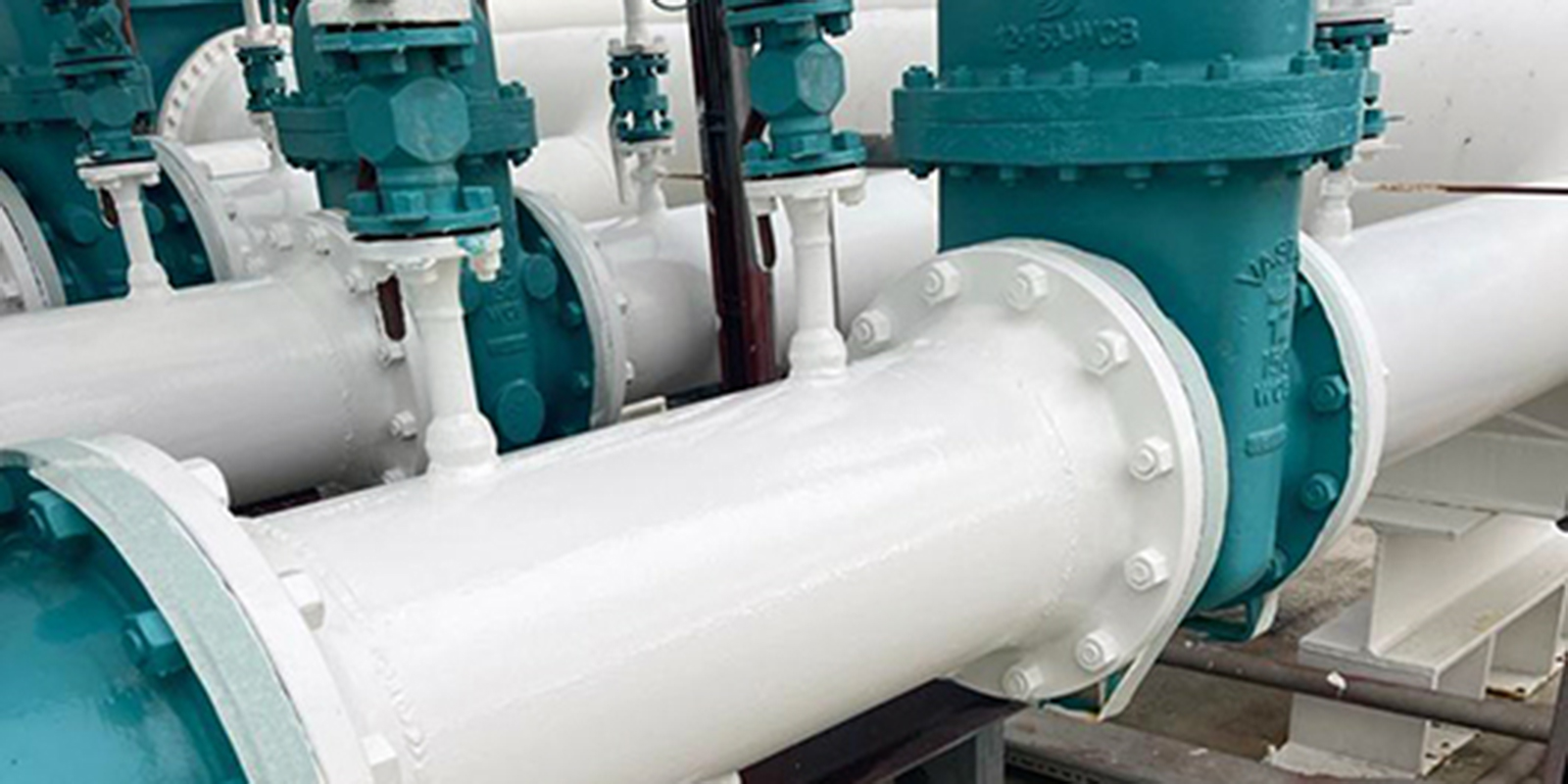
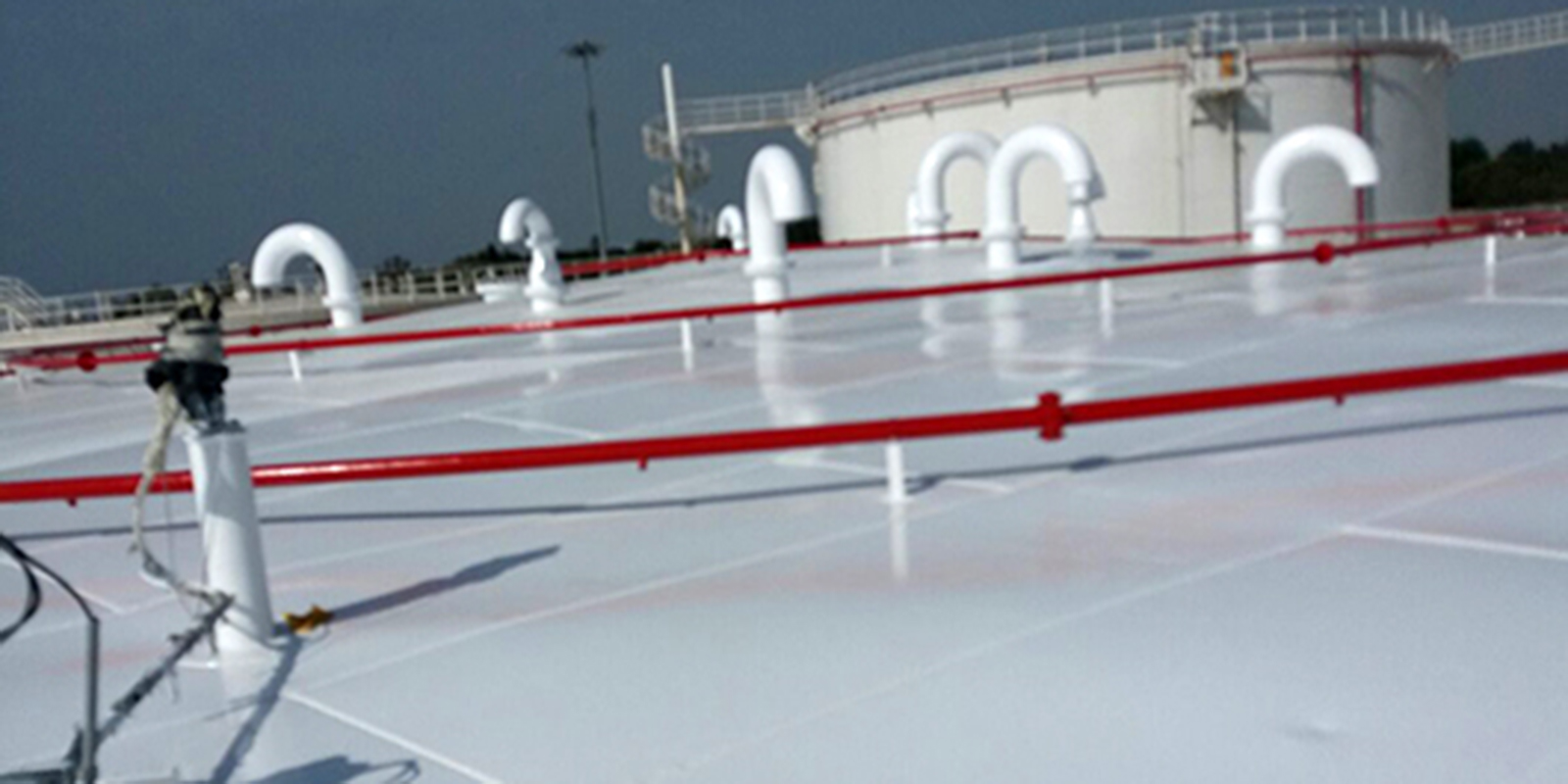
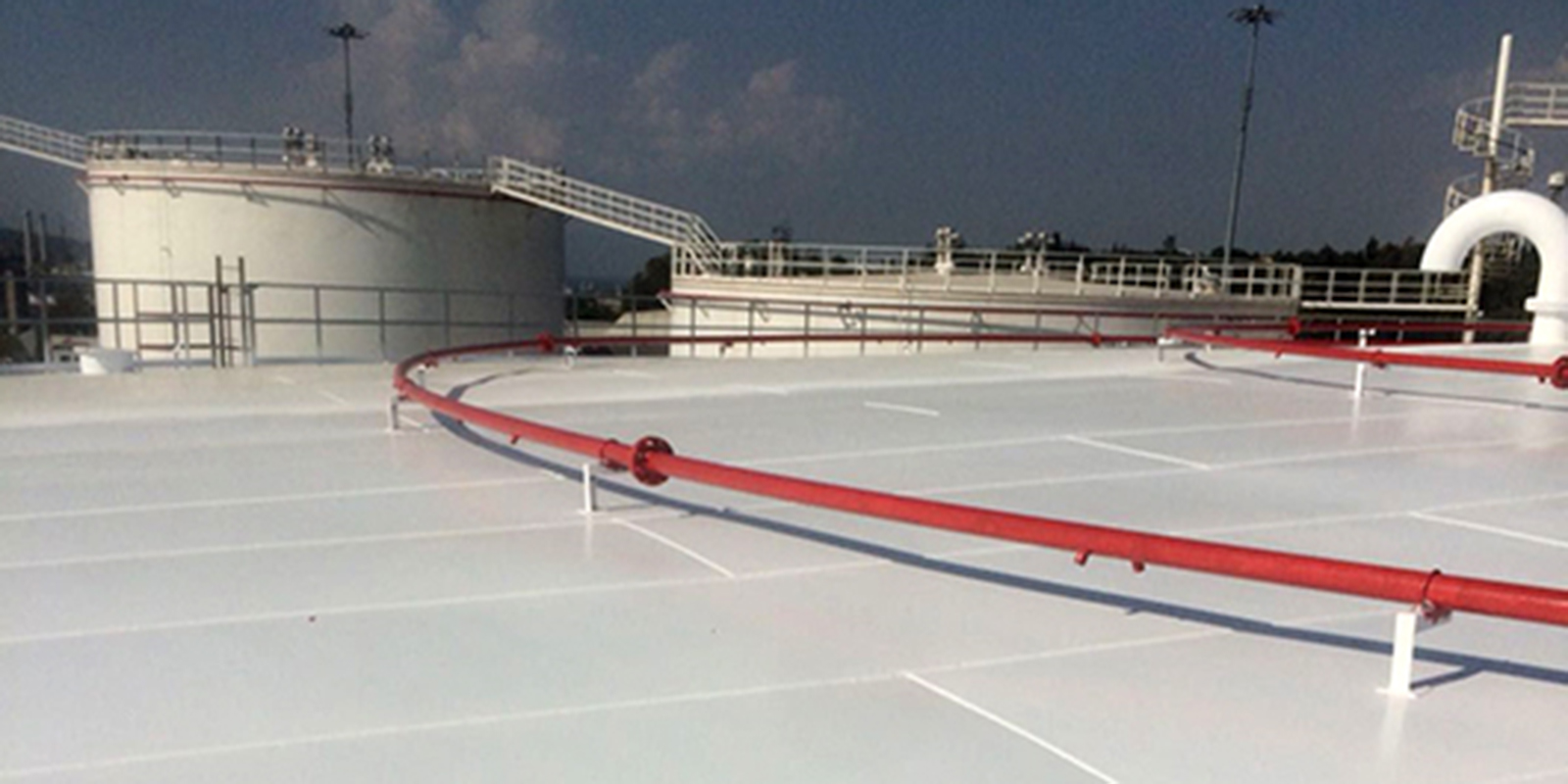
After sandblasting steel, a primer (shop primer) must be applied first, followed by the main paint. The application depends significantly on the environment where the steel will be used. For instance, the paint required for a ship differs from the one for a container. Additionally, the thickness of the paint should be determined based on the conditions the steel will be exposed to.
This process is so precise and crucial that factors like the type of seas a ship will navigate (as salinity and temperature will vary), the speed at which it will operate (affecting the friction with seawater), and similar variables should all be considered. The type of equipment used for the painting is equally important.
Painting and Sandblasting Areas
• Steel Constructions
• Ship, Yacht, and Boat Surfaces
• Construction Equipment
• Truck and Trailer Hoppers, Tankers, Decovils, Vacuum Tankers, Transmixers, Trailers, Hydraulic Lifts
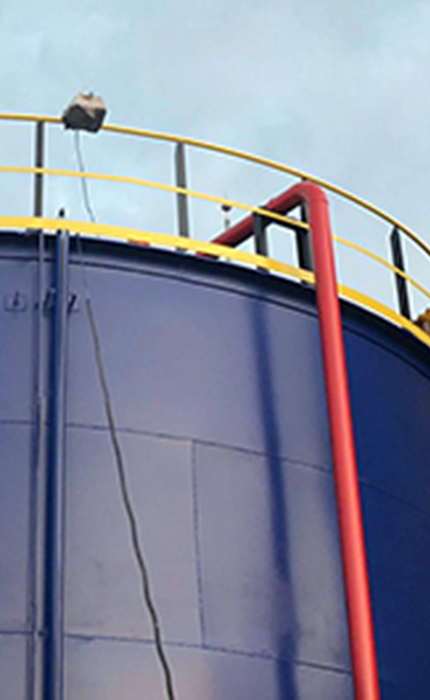
• Fuel, Detergent, Acid Storage Tanks
• LPG Tanks and Cylinders
• Cargo Containers, Trash Bins, Drums, and Barrels
• Water Tanks
• Electrical Panels
• Electric Motors and Generators
• Transformer Silicon Steel Sheets and Bodies
• Construction Sites
• Sandblasting Slippery Surfaces to Create Anti-Slip Properties
• Historical Artifacts
• Surface and Floor Cleaning in Industrial Facilities
Advantages of Proper Coating
Using the right paint and primer ensures maximum durability and protection against the elements, which is essential for the longevity and performance of the steel structure, especially in environments prone to corrosion like maritime and industrial areas. Quality painting also enhances the aesthetic appearance and safety by preventing surface deterioration.